
UltraTech Cement, an Aditya Birla group company, has become the world's largest cement producer outside China, surpassing 200 million tonnes per annum (mtpa) of installed capacity in India. The company plans to invest Rs 16,000 crore to reach a target capacity of 240 mtpa by the financial year 2027-28.
UltraTech Cement on Saturday said it has received a GST demand notice for a total payment of Rs 782.2 crore, which it plans to contest before the appropriate forum.

Indian benchmark equity indices, Sensex and Nifty, saw a rebound in early trade, driven by a rally in global markets and easing Brent crude oil prices, with hopes of US-Iran peace negotiations also contributing to investor optimism. Track Sensex, Nifty on May 22
Although UltraTech Cement's results for the December quarter of the current financial year (Q3FY25) were not an improvement compared to Q3FY24, the company managed to surpass Street expectations. The company's profit attributable to the owners of the parent dropped 17.4 per cent year-on-year (Y-o-Y) to Rs 1,469.5 crore in Q3FY25 as against Rs 1,777 crore in Q3FY24.
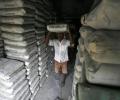
Ultratech Cement's acquisition of a 23 per cent stake in Tamil Nadu-based India Cements is another instance of growing consolidation in the cement market in India. The deal will raise Ultratech's share, based on India Cements' revenues in FY24, in the domestic market by 230 basis points if the latter is formally acquired by the former in due course. India Cements' share was up 11.5 per cent on Thursday on market expectations of an open offer.
The country's leading cement maker UltraTech on Thursday said it will acquire a 23 per cent stake in its Chennai-based rival India Cements Ltd, in a deal estimated to be around Rs 1,885 crore. As part of the transaction, UltraTech Cement will acquire 7.06 crores equity shares of India Cements at a price of up to Rs 267 per share, according to a regulatory filing from the Aditya Birla Group flagship firm.

Indian benchmark equity indices, the BSE Sensex and NSE Nifty, experienced a significant drop in early trade due to elevated oil prices, weak global market trends, and renewed fears of military operations in the Middle East following US President Donald Trump's statements regarding Iran. Track Sensex, Nifty on May 20.

Sensex gains over 400 points while Nifty trades above 23,800 amid strong IT sector buying.

Indian benchmark equity indices, Sensex and Nifty, saw gains in early trade, driven by strong performance in banking shares and positive sentiment from Asian markets, alongside optimism surrounding the ongoing US-China Summit.

Indian stock markets rallied in early trade after US President Donald Trump announced a halt to planned military strikes on Iran, citing requests from Gulf leaders and ongoing "very big discussions" that could lead to a deal. This de-escalation, coupled with foreign fund inflows and gains in IT and Adani group stocks, contributed to the positive market sentiment. Track Sensex and Nifty on May 19, 2026.

Indian equity markets, including the Sensex and Nifty, experienced a significant downturn for the second consecutive day, driven by escalating geopolitical tensions in West Asia and persistent foreign fund outflows.

Indian stock markets concluded Tuesday's trading session lower, reversing intraday gains due to late-session selling in blue-chip stocks like HDFC Bank and Reliance Industries. The decline was primarily driven by the Indian rupee hitting a new record low against the US dollar and elevated global crude oil prices, compounded by geopolitical uncertainties.
Indian stock markets saw a significant rebound, with the Sensex jumping nearly 790 points, primarily fuelled by strong buying interest in telecom, pharma, and private banking shares, despite a volatile trading session and a weakening rupee.

Indian benchmark indices Sensex and Nifty experienced volatile trade, declining in early deals before fluctuating, as investors reacted to unabated foreign fund outflows and rising geopolitical uncertainties, particularly in West Asia.
Indian benchmark indices Sensex and Nifty experienced a significant slump in early trade, driven by a sharp surge in crude oil prices above USD 120 per barrel, weak global market trends, and continued foreign fund outflows.
Indian benchmark equity indices, Sensex and Nifty, closed lower due to investor caution over rising bond yields, a weaker rupee, and fresh fuel price hikes, which have revived inflation concerns.
Indian benchmark indices Sensex and Nifty experienced a decline due to renewed geopolitical concerns in the Strait of Hormuz, a strained US-Iran ceasefire, and the rupee hitting a record low against the US dollar.

Indian benchmark indices, Sensex and Nifty, opened lower on Tuesday, driven by a surge in global crude oil prices and continued outflows by Foreign Institutional Investors (FIIs), reflecting fragile market sentiment influenced by external factors.
Indian benchmark stock indices, Sensex and Nifty, closed nearly 1 per cent lower due to surging crude oil prices, weak global market trends, and significant foreign fund outflows, with geopolitical tensions and inflation concerns further dampening investor sentiment.
Indian benchmark indices Sensex and Nifty experienced a significant tumble in early trade, driven by surging global oil prices, continuous outflows by Foreign Institutional Investors (FIIs), and persistent geopolitical uncertainties, particularly in West Asia.
Top Indian cement firms are expected to report a strong earnings growth for the second quarter of the financial year 2025-26 (Q2FY26) on a year-on-year (Y-o-Y) basis, amid improved realisations, prices, and steady volume growth, but on a low base.
The projections in the cement industry are mixed. Prices and demand remained muted in the third quarter (October & November) and short term uptick doesn't seem likely. However, the second quarter of the financial year 2026 (Q2FY26) was good year-on-year (Y-o-Y) for many cement majors aided by base effect, and some analysts expect acceleration in earnings and volume in the next financial year, again aided by base effect.
Indian stock market benchmarks Sensex and Nifty rebounded by over 1% on Monday, driven by value-buying in banking stocks after a three-day slump. Key gainers included UltraTech Cement, HDFC Bank, and Mahindra & Mahindra.
Indian equity benchmark indices Sensex and Nifty rallied in early trade, driven by reports of a second round of talks between the US and Iran, which are fostering hopes for a resolution to the West Asia conflict, coupled with Brent crude oil prices trading below the USD 100 per barrel mark.

There are hopes of a turnaround in overall corporate earnings after six quarters of single digit growth.

India's top cement producers delivered a solid July-September quarter (Q2) in 2025-26 (FY26), lifted by firmer prices, higher sales volumes, and a favourable base. Seasonal weakness and maintenance outages did dent sequential performance, but the overall picture remained positive - and the road ahead looks steady.
Indian benchmark indices Sensex and Nifty rebounded sharply on Monday, driven by a correction in crude oil prices due to ceasefire efforts in West Asia and strong buying in bank stocks.

Benchmark equity indices Sensex and Nifty extended their gains for the second straight session on Monday, driven by optimism over the India-US trade deal and robust buying in public sector banks, consumer durables, and realty stocks.

Indian markets on Dalal Street rallied sharply as easing tensions in the US-Iran conflict and stable oil prices boosted sentiment. Track Nifty 50 and BSE Sensex performance and key global triggers.

Indian benchmark indices Sensex and Nifty experienced a sharp decline in early trading due to escalating tensions in the Middle East, driving crude oil prices higher. Global market bearishness and foreign fund outflows further contributed to investor unease.
Indian markets on Dalal Street rallied sharply as easing tensions in the US-Iran conflict and stable oil prices boosted sentiment. Track Nifty 50 and BSE Sensex performance and key global triggers.
Indian markets on Dalal Street rallied sharply as easing tensions in the US-Iran conflict and stable oil prices boosted sentiment. Track Nifty 50 and BSE Sensex performance and key global triggers.
Indian stock markets recovered from early losses to close higher, driven by value buying in IT and banking shares and a rebound in the rupee.

Indian equity markets experienced a significant downturn as geopolitical tensions in West Asia, rising oil prices, and foreign fund outflows dampened investor confidence. The Sensex and Nifty both fell sharply in early trade, reflecting broader global market weakness.
Indian benchmark equity indices experienced a significant downturn, with the Sensex plummeting over 800 points and the Nifty falling sharply, driven by rising crude oil prices, geopolitical tensions, and foreign capital outflows.

Indian markets on Dalal Street rallied sharply as easing tensions in the US-Iran conflict and stable oil prices boosted sentiment. Track Nifty 50 and BSE Sensex performance and key global triggers.
India's largest cement firm, Ultratech Cement, has joined the race to acquire the Holcim stake in Ambuja Cements and its subsidiary, ACC. UltraTech - part of the Aditya Birla Group - submitted a non-binding bid on Wednesday. Swiss multinational Holcim, which manufactures building material, is exiting India by selling its 63.19% stake in Ambuja Cements. According to banking sources, UltraTech has submitted a plan to Holcim, outlining divestiture details that would meet the norms set by anti-trust body Competition Commission of India.
Indian stock market benchmarks Sensex and Nifty rebounded strongly after a two-day decline, driven by falling crude oil prices and positive global cues amid hopes of de-escalation in the Middle East.

Indian stock market benchmark indices Sensex and Nifty experienced a significant decline, driven by escalating tensions in the Middle East and rising crude oil prices.
Stock market benchmarks ended with losses for the third straight session on Wednesday as heightened geopolitical tensions, weak global peers and persistent foreign fund outflows unnerved investors.
 © 2026 Rediff.com - Advertise with us - Disclaimer - Privacy Policy - Sitemap - Feedback - About us - Terms of use - Grievances